

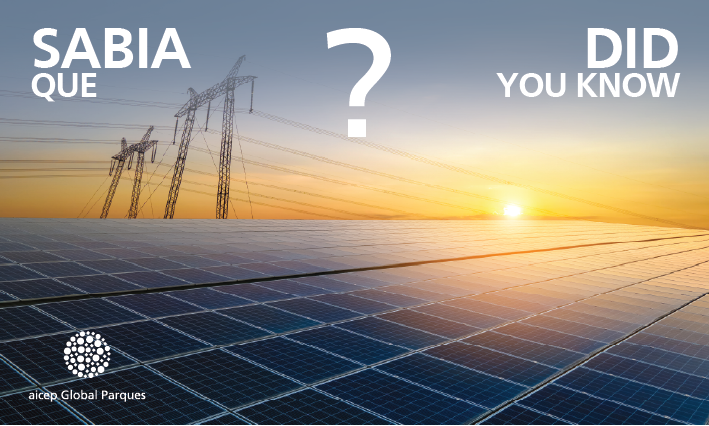
Did you know that solar energy led electricity generation in Portugal for the first time?
Renewable energy generated in Portugal supplied 53% of the country’s electricity consumption in July, confirming its growing role in the national power system. In this context, solar photovoltaic energy reached a historic milestone by becoming, for the first time, Portugal’s leading monthly source of electricity generation.
According to data from REN – Redes Energéticas Nacionais (Portugal’s National Energy Networks), solar power accounted for 19% of electricity consumed in July, followed by hydropower (16%), wind power (13%) and biomass (5%). Domestic non-renewable generation supplied 13% of national electricity demand, while the remaining 34% was met through electricity imports from Spain, whose generation mix includes both renewable and non-renewable energy sources.
Despite this achievement, both solar and wind generation recorded productivity levels below the historical average, whereas hydropower performed above its long-term average.
National electricity consumption increased by around 3% in July, continuing the upward trend recorded over the first seven months of the year. Between January and July, renewable sources supplied 68% of Portugal’s electricity consumption. During this period, hydropower accounted for 27%, wind power for 24%, solar power for 12% and biomass for 5%. Natural gas supplied 14% of electricity demand, while the remaining 18% was met through electricity imports from Spain.
In the natural gas market, July recorded a year-on-year decline of more than 7%, driven by a reduction of around 20% in gas used for electricity generation. This milestone highlights the growing importance of renewable energy in Portugal’s domestic electricity generation and reflects the country’s continued progress in the energy transition, where energy diversification and decarbonisation are playing an increasingly important role in strengthening national competitiveness and sustainability.
Source: Jornal Económico